


AHFC Unveils New Uniforms for the 2026–2028 Season
AHFC Unveils New Uniforms for the 2026–2028 Season
Albion Hurricanes FC is proud to announce our new official uniforms for the 2026–2028 season.
Capelli Sport remains the Official Uniform and Equipment Supplier for AHFC, exclusively providing uniforms, equipment, and apparel for over 5,500 players, along with coaches and select staff, through 2032.
As Houston prepares to host matches for the upcoming World Cup, AHFC continues to stand as a pillar in the community, celebrating 25 years of developing players and growing the game.
At AHFC, we don’t just build teams - we build players.
Our new uniforms reflect that identity: sleek, bold, and built with purpose.
This is more than a new look. It’s the next chapter of AHFC.
Stay tuned for the full kit reveal.


Albion Hurricanes FC is proud to announce our new official uniforms for the 2026–2028 season.

Canes Camp Series
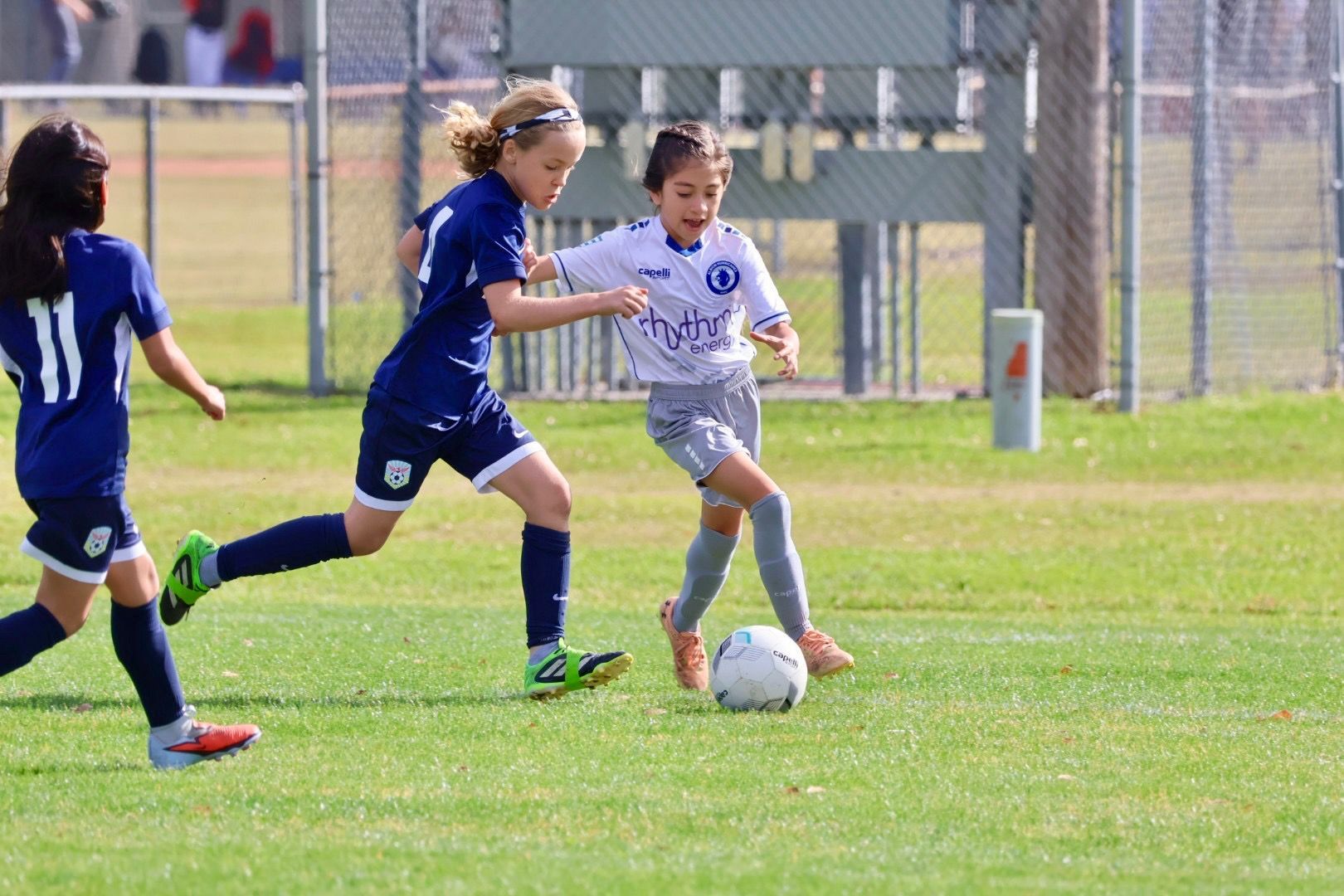
AHFC May Evaluations Are Here! Getting ready for evaluations? Here are a few simple tips to help you perform at your best: Hydrate early and often In the Texas heat, hydration is key. It doesn’t start the day of evaluations - it starts days before. Make sure you’re consistently drinking water leading up to your evaluations, so your body is ready to perform. Get a good night’s rest Sleep plays a huge role in both your physical performance and mental sharpness. A well-rested player reacts quicker, thinks clearer, and performs better on the field. Control what you can control You can’t control everything at evaluations, but you can control your effort, attitude, and energy. Coaches notice players who compete, stay positive, and give their best in every moment. Keep it simple and play your game Evaluations aren’t about doing something flashy—they’re about showing who you are as a player. Focus on your strengths, make smart decisions, and play with confidence. This is your opportunity to show what you can do. Sign up today and take the next step with AHFC.

Understanding the upcoming shift and what it means for players and families Moving Away From Birth-Year Teams Several major youth soccer organizations—including US Club Soccer, US Youth Soccer, and AYSO—will move away from the current birth-year system and adopt a school-year based format for age groups, beginning with the 2026/2027 season. This means players will be grouped in a way that more closely matches their grade in school rather than their calendar birth year. The goal of this change is to create a more balanced and inclusive environment while better supporting how young athletes develop socially and athletically. How The New System Will Work Currently, youth soccer uses a January-to-December cutoff to determine age groups. Starting in 2026/2027, that window will shift to an August 1 through July 31 cycle. While it might seem like a small adjustment, it has a big impact on how teams are formed. Players will now be grouped more closely with classmates and peers in the same grade, rather than being separated by calendar-year birthdays. This change comes after ongoing discussions within the youth soccer community about better aligning competition with players’ everyday lives. By matching age groups to the school year, the goal is to create teams that feel more connected—both on the field and in the classroom—so players can enjoy a smoother, more consistent experience. Why This Shift Matters One of the main reasons behind this shift is to address the issue of “trapped” players—those who end up separated from their classmates due to how birth-year cutoffs fall. These situations can create challenges when it comes to team dynamics, playing opportunities, and overall development. For instance, a middle school player may be placed on a team with high school athletes, while some older players may find themselves pushed into a younger age group after their peers have moved on. Moving to a school-year model helps reduce these mismatches. Players are more likely to stay with their natural peer group, which can improve both the social side of the game and the overall playing experience. It also supports participation, as players often find it easier to manage soccer alongside school and other activities when their schedules and peer groups are more aligned. What This Means For Players And Clubs This transition won’t happen quietly—nearly every team will be adjusted in some way. Players may find themselves on different teams than before, whether that means moving up, moving down, or simply being placed with a new group. For clubs, it will require a full reset of rosters and, in many cases, coaching assignments. Because of this, the 2026/2027 season will likely feel like a reset year, with new combinations of players and teams forming across all levels. How to Stay Ahead of the Change With a change this wide-reaching, communication will be important. Clubs will begin sharing updated age group breakdowns, timelines, and tryout details as the transition approaches. For families, the best approach is to stay informed and flexible. Checking in with coaches, understanding where your player fits in the new structure, and being open to change will help make the process smoother. While there may be some short-term adjustments, the long-term goal is to create a system that better supports how players grow, compete, and stay involved in the game. Age Group Calculator Quickly find your player’s age group for next season with this calculator. Simply enter their birth year to see where they fit.
